Website owners make diverse decisions when executing technical SEO. One such decision is whether a website should be indexed with www or no www.
This one decision can have a massive impact on your website’s SEO performance. It will impact how Google crawls, indexes, and even consolidates ranking signals. It will also influence how the Google search engine ranks your pages.
Not choosing a canonical URL version (www or non-www) can create avoidable issues like duplicate content, indexing issues, and loss of ranking signals. That’s why topics like these are crucial for SEOs and website owners.
Here, we explained what getting a website indexed with WWW or non-WWW is, why it’s important for Google indexing, and more. Read on!
Understanding The Meaning of Indexed With WWW or No WWW
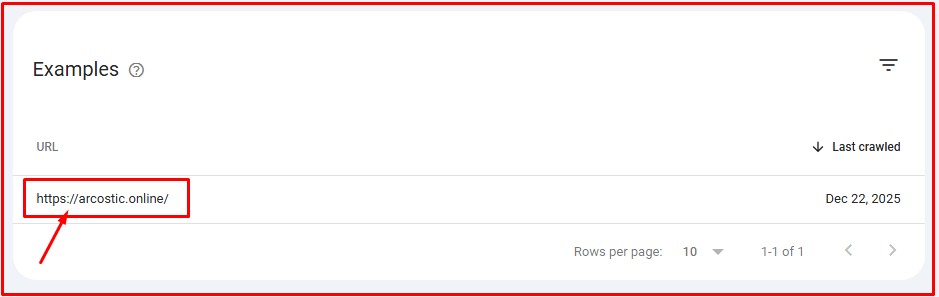 Website with no WWW
For starters, know that Google doesn’t index websites. What it indexes is “URLs.”
When we say “indexed with www or no www, we are indicating the version of the domain we want Google to recognize as the canonical (primary or main) version.
The www and non-www domains aren’t the same. It doesn’t matter if they belong to the same website. Google doesn’t see them as the exact domains because of the slight change (non-www). That is, the removal of the ‘www’ from the URL.
Here is an example for better understanding:
- https://www.businessname.com
- https//businessname.com
You can see that the “www” wasn’t included in the second version of the domain.
Now, here’s the question:
Will both URLs load on a browser? Yes, they will load and display the same content on any browser.
Now, here’s the second question;
How will Google view both URLs?
While both URLs belong to the same website, Google treats them as separate domains.
Unfortunately, when Google finds the same content on both pages, it considers them duplicate content. That’s an issue for your website SEO.
Making both URLs crawlable and indexable will lead to duplicate content and signal dilution. That’s a terrible way to use the already limited crawl budget you have.
Your URL changes whenever you make the slightest changes to it. Here are more examples to explain this point.
- http://businesname.com
- https://businessname.com
- http://www.businessname.com
- https://www.businesname.com
All URLs will load on any browser and display the same content.
Now, here’s where it can get confusing.
From users’ perspectives, including website owners’, all URLs (including page content) are the same.
But, in the eyes of Google, there are four different URLs.
WWW or Non-WWW URLs: What Happens When You Fail to Choose a Single Version
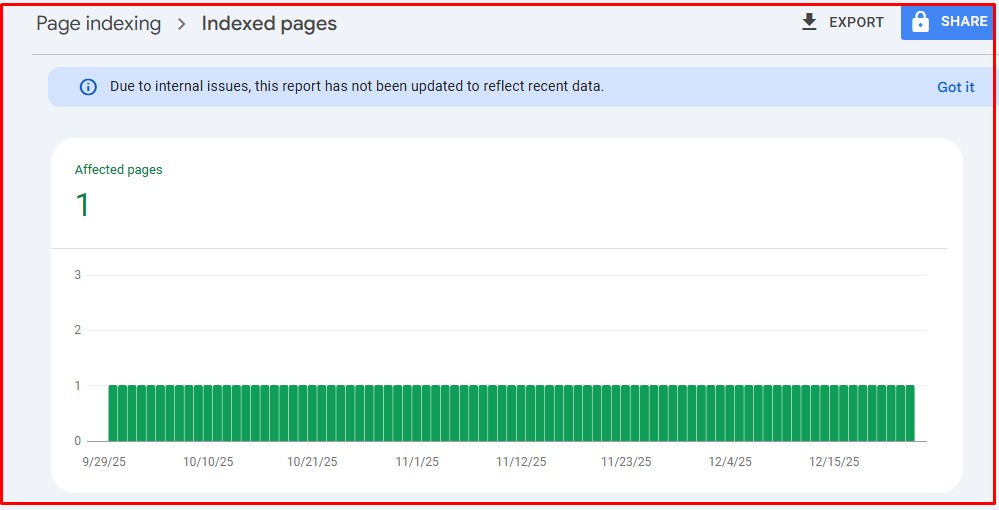
Google has always been vocal about website owners choosing one version of URL between www and non-www. Failure to do so might create problems that can significantly affect indexing and ranking.
Google reacts when website owners don’t choose a primary URL version.
Here’s what the search engine might do:
- Google will index the two versions (www and non-www). Why? You failed to choose your primary URL version.
- Google will choose a URL version for you. Most of the time, the chosen canonical might not be your preferred version.
- Google could split the ranking signal between the different URL versions, leading to weak ranking signals. Weak ranking signals mean you will find it hard to rank high in the search engine results page.
- You might witness inconsistent URLs in the SERP (search engine result page). That alone can leave users in doubt.
Is WWW Better Than Non-WWW For SEO?
Both are better for search engine optimization (SEO). The fact that you chose the www canonical doesn’t mean your website will rank higher than another that chose the non-www version, and vice versa.
Google doesn’t favor one URL version over the other. What the search engine giant is asking for is “consistency.”
Google wants you to choose your primary canonical and stick to it.
So, the answer is:
WWW isn’t better than non-WWW for SEO.
Non-www isn’t better than www for SEO.
The major issue most websites have is “inconsistency.” Failure to choose a primary canonical for your website will impact indexing and search engine ranking.
This is what Google wants you to do:
- Choose a primary canonical for your site: do you want www or non-www? Choose one and stick to it.
- Redirect the others to your chosen canonical URL.
Choose a canonical and use it consistently across your entire website. That way, you have solved part of your SEO problem.
SEO Impact When Google Indexes Both WWW and Non-WWW URL Versions
Allowing Google to index both canonical URL versions (www and non-www) isn’t a wise SEO move. It will hamper your website’s performance on search engine results pages.
Here are the various issues that you might encounter when Google indexes both URL versions for the same website:
Duplicate content:
Every website owner knows the impact duplicate content can have on search ranking. Allowing Google to index both canonical versions can lead to duplicate content.
The content displayed when you load both canonical URL versions on a browser will be the same. Unfortunately, because Google treats both URLs as different versions, it will consider both pages distinct.
How does Google treat duplicate content?
It will decide which one to rank among the duplicates.
Ranking on page one is out of the question when you have a duplicate content issue to deal with.
Inconsistent ranking:
Google hates inconsistency. It cherishes well-organized, consistent websites.
Having pages that rank with www and others with the non-www canonical creates instability in search engine results. Google doesn’t like such.
Your website’s ranking won’t be consistent when you have duplicate content.
Split link equity:
Backlinks are important ranking factors. They serve as a vote of confidence, telling Google that other reputable websites trust yours.
Having backlinks that point to different URL versions would split page authority rather than consolidate it. Your backlinks would therefore have a weaker impact on search engine ranking.
Crawl budget wastage:
If you don’t want Google to waste its already limited crawl budget, choose a canonical URL version for your website and be consistent.
Allowing Googlebot to crawl both versions of your canonicals will negatively impact crawl efficiency. The bot may limit how often it crawls your site, making quick indexing impossible.
If you have a large website, the impact on crawl efficiency could be greater.
Inconsistent canonicalization can also negatively impact your website’s trust signal. It’s not a wise SEO move.
Choosing One Version Between WWW and Non-WWW: Best Practices
Choosing a URL version and sticking to it can have a significant impact on your website’s performance SEO-wise. It can lead to faster indexing of your new pages, improve crawl efficiency, and trust signals.
Here, we discussed best practices when choosing between www and non-www.
1. Choose one version and stick to it:
You can either choose:
- Https://www.businessname.com or,
- Https://businessname.com
You can’t choose both. Whichever version you choose is fine. Choosing one over the other doesn’t offer any special SEO advantage.
2. 301 redirects implementation:
After choosing a canonical URL, redirect the other alternate versions to it.
Redirect the:
- https://businessname.com
- http://www.businessname.com
- http://businessname.com
Redirect the above URLs to https://www.businessname.com, assuming it’s your primary canonical.
3. Choose the ideal canonical tags:
Use a canonical tag to direct the other pages to your preferred version.
Here’s a good example:
<link rel=”canonical” href=”https://www.example.com/page-url/” />
This tag is essential. It will help prevent duplication by making your redirects effective.
4. Internal linking standardization:
Ensure your chosen canonical URL appears in all your internal links. Such consistency is crucial for better SEO performance. It should appear in the:
- Footer links
- Navigation menus
- Contextual links
- Structured data URLs
- Pagination
5. Provide clean sitemaps:
Your sitemaps should be clean. Clean means it should carry only your primary canonical URL (www or no www), either of them.
You create indexing confusion by including multiple URLs in your sitemaps. And this could have a considerable impact on your indexing.
Conclusion
The bottom line is you can index with www or no www. Using either canonical URL version has no real SEO advantage.
Google won’t rank your page highly because you used www and non-www versions interchangeably. However, not choosing a URL version can significantly impact your SEO. It can cause duplicate content, split ranking, and trust signals.
Choose a URLversion and stick to it. Then redirect the other versions to your primary URL. That way, you can avoid indexing confusion and help Googlebot crawl and index your website efficiently.
FAQ’s
Does Google prefer indexing sites with WWW or without?
No, Google doesn’t have a preference. It doesn’t favor any. Google wants website owners to choose a primary (a single) version of their URLs and be consistent throughout their websites.
Will moving from non-www to www hurt my website SEO?
No, it won’t when done correctly. Google will transfer the ranking signal to your new canonical version when done correctly. After the change, implement proper 301 redirects, standardize internal links, update canonical tags, and resubmit the sitemaps.
Does Google consider WWW and non-WWW versions of a page as duplicate content?
Yes, if you don’t choose a primary version of your URL. Google will treat each URL version as a separate entity. You can prevent this from happening by choosing a primary URL version, implementing proper 301 redirects, and using canonical tags.
Can a website rank if it’s indexed under both www and non-www?
Yes, a website can still rank if Google indexes both canonical versions. But don’t expect the website to appear in the search results. The reason is that both URL versions will share the link equity and authority, making the ranking signal much weaker. The ranking signal will be stronger if consolidated under a single URL version.
Should I use www or non-www URLs for my sitemaps?
Your sitemaps should have a single URL version and be consistent. Using mixed URLs can significantly harm your website’s indexing and ranking.