When you publish web content, simply having the page live doesn’t guarantee that it will appear in a search results page. That’s where search engine indexing comes in. You need to understand how a search engine finds, analyses, stores and surfaces your web pages — because until a page is properly indexed, it won’t show up for the keywords you care about.
In this article you’ll learn what search engine indexing is, why it matters for SEO, how it works in practice, and what you should do to make sure your site gets indexed effectively.
What Search Engine Indexing Actually Means
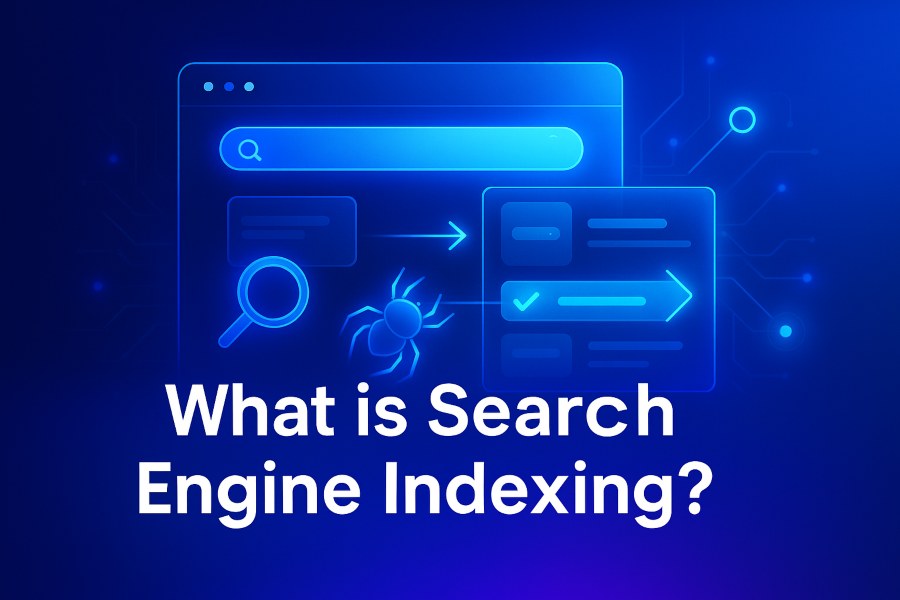
Search engine indexing is the process by which a search engine organises, analyses, and stores web-page content so that it can quickly respond to user queries. After a crawler discovers your page, the search engine examines it, determines what it’s about, and then places it in its internal database (the “index”) so that it becomes searchable. Without being indexed, your pages cannot appear in search results at all.
When you hear “indexed by Google”, what that really means is that the page has been added to Google’s massive database of content and is eligible for ranking. Many pages are crawled, but not all are indexed — search engines decide whether a page is worthy of being stored, based on relevance, uniqueness, and technical accessibility.
Why Indexing Matters for SEO
For you as an SEO practitioner or website owner, indexing is foundational. Even if your page ranks highly in metrics like Page Authority or has excellent content, if the page isn’t indexed, nothing will show up in the search engine results pages (SERPs).
Here are three reasons indexing is crucial:
- Visibility: If the page is not in the index, it cannot show up for any query.
- Ranking eligibility: Being indexed means the search engine can evaluate your page for ranking factors like relevance, authority, user experience.
- Traffic potential: Indexed pages can generate organic traffic; non-indexed pages generate none.
Recent data shows that on some large websites, an average of ~16% of their “valuable” pages remain unindexed, which means lost visibility opportunities if you aren’t vigilant.
By optimising for indexing, you set the stage for everything else in your SEO strategy.
How the Indexing Process Works
Here is a step-by-step overview of how indexing typically works:
- Crawling: Search engine bots (also called spiders) visit your site, follow links, read sitemaps, and find new or updated pages.
- Processing and analysis: The system reads the HTML content, evaluates key signals (title tags, meta description, headings, alt text, structured data, content freshness), and determines what the page is about.
- Storing: The content is then added to the search engine’s index—its internal catalogue of processed web pages.
- Serving: When a user issues a search query, the system scans the index, finds relevant pages, and returns results ranked by relevance and authority.
Not all pages get indexed. A page might be crawled but excluded from the index if the search engine deems it low quality, duplicate, blocked by robots.txt or noindex tags, or technically inaccessible.
Key Technical Factors That Influence Indexing
To make sure your content gets indexed (and stays indexed) you need to pay attention to these technical factors:
- Robots.txt and Meta Robots tags: If you disallow search engines or use “noindex”, your page won’t be added to the index.
- Canonicalisation: Use rel=”canonical” correctly so that duplicate or near-duplicate pages don’t confuse indexing.
- Sitemaps: Submit an XML sitemap so search engines can discover all important pages.
- URL structure: Make sure URLs are clean and consistent; avoid parameter hell which can confuse crawlers.
- Site speed & mobile-friendliness: If your site is slow or not mobile-friendly, indexing may be delayed or hindered.
- Internal linking and crawl budget: Use internal links wisely to make sure crawlers can find every relevant page; large sites must manage crawl budget so pages aren’t overlooked.
- Fresh content & updates: Search engines favour pages that show they are maintained and updated; historical pages left untouched may lose relevance.
Common Indexing Issues and How You Solve Them
Even with great content, indexing issues can arise. Here are some common pitfalls and how to fix them:
- “Page crawled – currently not indexed”: This status often appears in Google Search Console; you may need to improve content quality, internal linking, or fix technical issues.
- Duplicate content: If too many pages are essentially the same, the search engine may choose to index only one and ignore the rest. Fix via canonical tags and unique content.
- Orphan pages (no internal links pointing to them): If no internal link leads to a page, crawlers may not find it. Ensure every page is reachable from the site structure.
- Blocked resources: If essential resources like CSS or JS are blocked via robots.txt, indexing may fail because the crawler cannot render the page correctly.
- Thin content pages: Pages with very little unique content may be crawled but then dropped from the index. Enhance them with substantial information, visuals, and user value.
By diagnosing these issues and addressing them proactively, you improve indexing success.
Indexing vs. Ranking – What’s the Difference?
It’s important to distinguish between indexing and ranking — the two are related but not the same.
- Indexing: This is the step where a search engine adds your page to its catalog so that it can show up in search results.
- Ranking: This happens after indexing; the search engine assesses your page’s relevance, quality, authority and user experience, then decides your position in SERPs.
You can think of it this way: indexing opens the door, ranking determines where you stand in the queue. Without being indexed, you can’t be ranked. But being indexed does not guarantee a top position. You still need to earn a good ranking via SEO best-practices.
Metrics & Monitoring Indexing Status
You should continually monitor your site’s indexing health to ensure your pages are discoverable and visible. Here are key metrics:
- Index coverage in Google Search Console: Check how many pages are “Valid”, how many are excluded, and why.
- Number of pages submitted vs indexed: If you submitted 10,000 URLs via sitemap but only 6,000 are indexed, you’ve got pages missing.
- Crawl stats: Monitor crawl activity, how often bots visit your site, and how many pages they crawl per day.
- Changes in organic traffic: If pages go de-indexed, you may see sudden drops in traffic.
Tracking these metrics helps you spot problems early and keeps your site healthy in the eyes of search engines.
Best Practices to Boost Indexing Speed and Success
To give your pages the best shot at indexing and eventual ranking, adopt these best practices:
- Publish high-value content that offers depth, relevance, and reader engagement — avoid thin, low-value pages.
- Use a logical and clear site structure with internal links so crawlers can easily traverse your site.
- Keep your sitemap updated, submit to search engines, and ensure it only contains canonical, index-worthy URLs.
- Avoid duplicate content; use canonical tags and unique value for each page.
- Ensure your site loads quickly and is mobile responsive — these factors affect crawl behaviour and indexing.
- Use structured data (schema markup) where relevant to help search engines understand context, which may assist indexing and rich results eligibility.
- When you publish or update content, promote it (via internal links, social shares) to generate signals of freshness that can accelerate indexing.
- Use “noindex” or set canonical when you have content that you don’t want indexed (e.g., internal search results pages, duplicates) so you manage index bloat.
Future Trends in Indexing You Should Know
Indexing continues to evolve. Stay ahead by knowing emerging trends:
- The rising importance of mobile-first indexing: Search engines increasingly index the mobile version of your pages as primary.
- IndexNow protocol: A newer method where some search engines accept direct notifications of content changes to accelerate indexing.
- JavaScript rendering and indexing: As more sites rely on JavaScript, ensuring that content is visible to bots (either via server-side rendering or hydration) has become critical.
- AI and understanding of content semantics: Search engines are getting better at interpreting meaning, context, and user intent — not just matching keywords.
By preparing early for these shifts, you’ll maintain indexing resilience and relevance.
Conclusion
Understanding search engine indexing is fundamental to your SEO success. You need your pages crawled, analysed and stored in a search engine’s index before they can ever appear in search results. By paying attention to the technical setup (sitemaps, robots directives, site structure), content quality, internal linking and user experience, you maximise the chance of successful indexing.
Once indexing is secured, you then invest in ranking factors — quality signals, backlinks, relevance — to improve your position in the search results. Keep monitoring index status, weed out low-value pages, and adapt to evolving trends like mobile-first indexing and JavaScript rendering.
When you align technical, content and structural elements, you ensure your site works in harmony with how search engines index the web and reward high-quality pages with visibility and traffic.